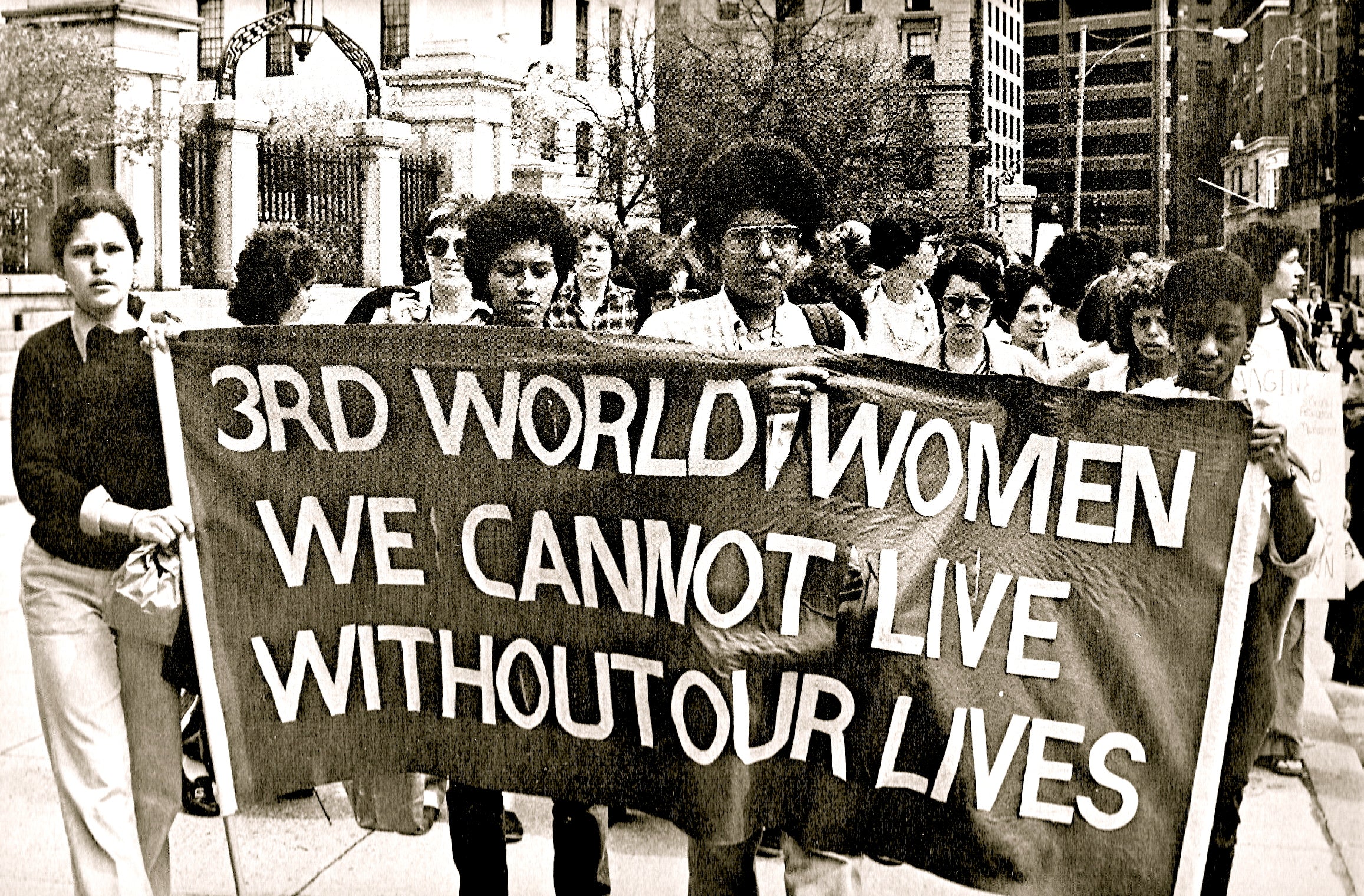
THE COMBAHEE RIVER COLLECTIVE STATEMENT
The Combahee River Collective was a Black feminist lesbian socialist organization active in Boston, Massachusetts from 1974 to 1980. Below read their statement and get inspired by Black feminist thought.

The Combahee River Collective was a Black feminist lesbian socialist organization active in Boston, Massachusetts from 1974 to 1980. Below read their statement and get inspired by Black feminist thought.
Our platform is designed to help students, from grade school to college, develop the habit of daily stream-of-consciousness journaling. With EarlyWords, we make it easier and more efficient to engage in this practice. We offer the platform for free with our pricing for justice model.

The absence of accessible toilets is a subtle yet potent tool of social control that restricts the inclusion of disabled individuals and mirrors historical tactics used to marginalize certain groups. Similar to how women were once kept from certain spaces by denying them restroom access, the lack of accessible toilets limits the participation of disabled individuals in public life, enforcing inequality. Furthermore, this issue extends to homeless individuals who lack restroom facilities, deepening their invisibility and perpetuating their hardships. Ultimately, the dearth of accessible toilets undermines societal inclusivity and hinders the potential contributions of diverse individuals, emphasizing the significance of universal accessibility for a fair and compassionate society.
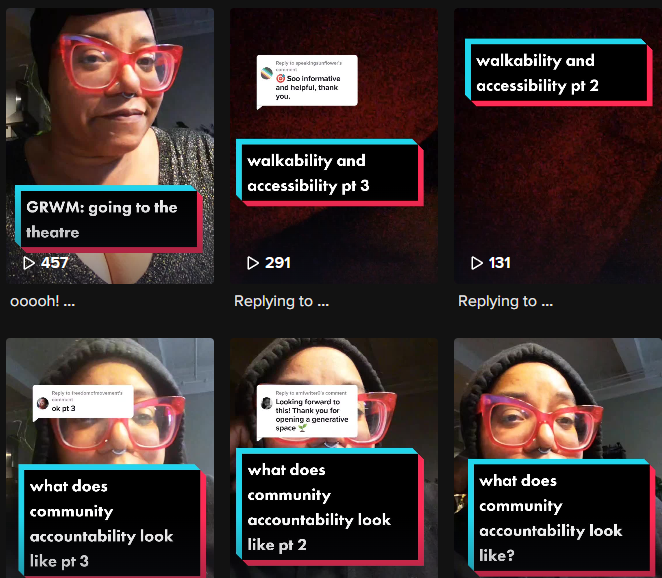
Hey y’all, it’s Luticha Doucette here. I want to dive a little deeper into the topic of making cities more accessible and inclusive for everyone, especially those with disabilities. As the owner of Catalyst Consulting Associates, I specialize in active transportation projects for cities and municipalities.
Calling Up Justice is a company that is conducting an exciting project aimed at experimenting with accessibility and machine learning technology to increase empowerment for disabled creators. The project involved selecting a video or other writing source featuring disabled creators sharing their clever ideas for 1-3 minutes. Free platforms were then used to transcribe the video, which was subsequently fed into Chat GPT to produce an essay that authentically reflected the creators’ voices and ideas. With the help of Claudia Alick’s finetuning data and prompts, the resulting essays were representative of the disabled creators’ perspectives. This project exemplifies how artificial intelligence technology can be leveraged to empower marginalized communities and create a more inclusive society, with minimal effort on the part of the creators. The following article was built off a report published by Luticha Doucette.
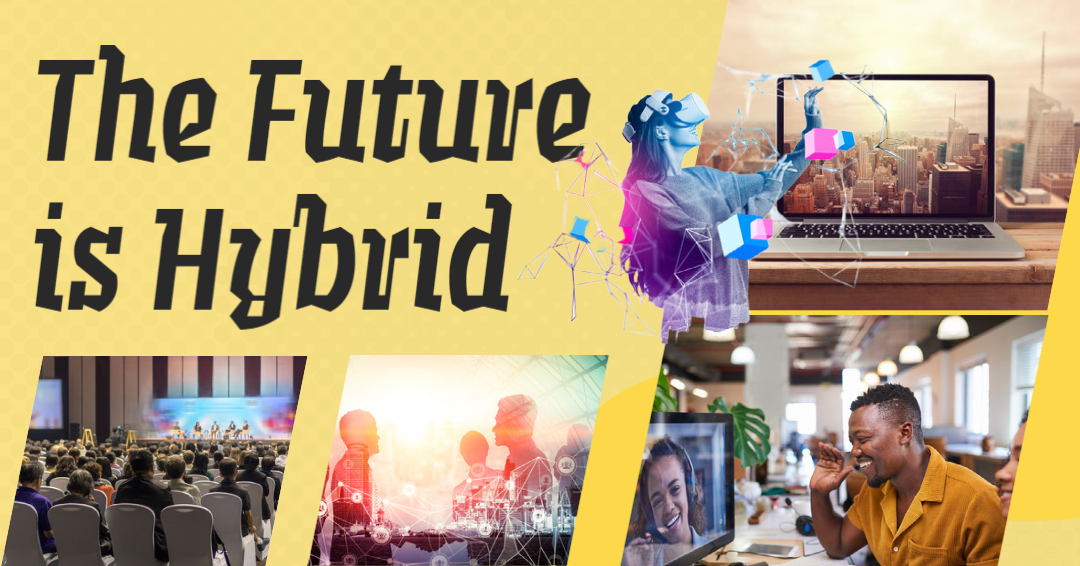
Calling Up Justice recommends planning your events to include digital and in-person options. In today’s dynamic world, we need to be proactive and plan for success in a landscape that is more precarious for in-person meetings. By embracing hybrid presenting, we can turn challenges into opportunities and create events that are accessible, safe, and successful.
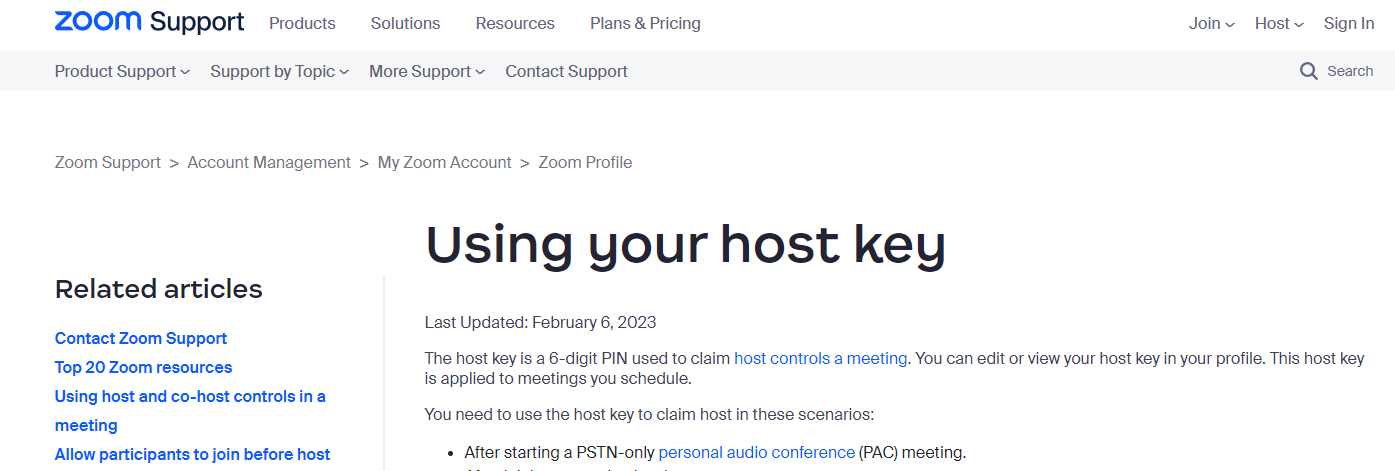
Collaboration is essential for creativity and innovation, but it can be hard when using digital tools. The host key feature is a powerful tool that helps us work together, share our ideas and skills, and achieve great things. It’s a simple solution to a common problem, and we encourage other groups to use it when working collaboratively online. By using the host key feature, we can continue to work together, overcome challenges, and create amazing things.
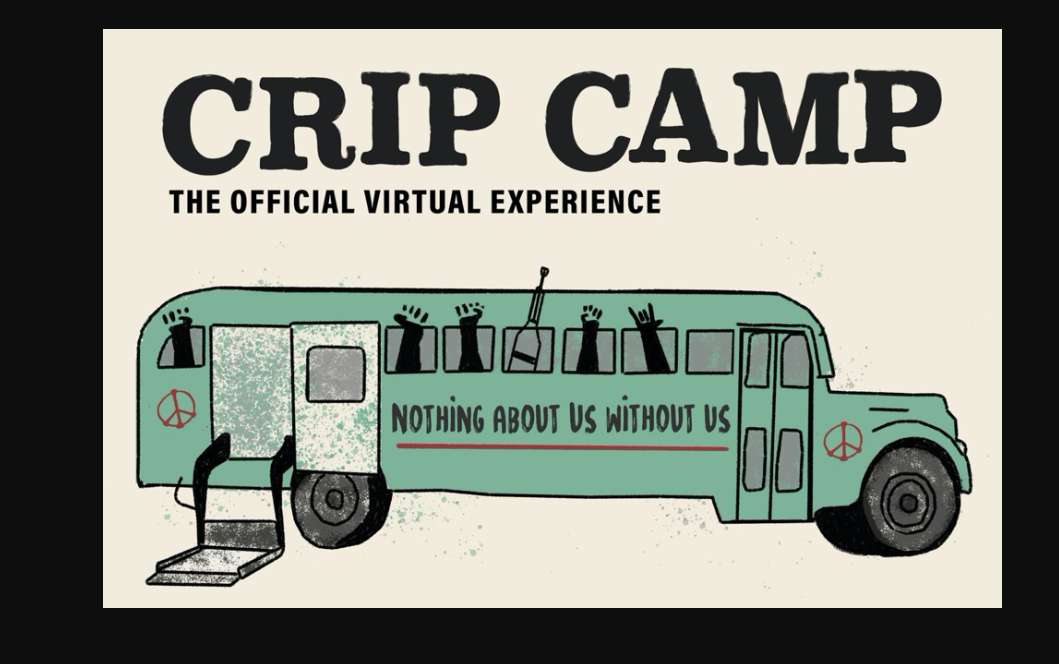
Calling Up Justice uses the term “crip” as a reclaiming and liberating terminology. We also recognize the different feeling and relationships people have with this terminology. It is utilized in different ways depending on context and community. We created this resource for greater group understanding.
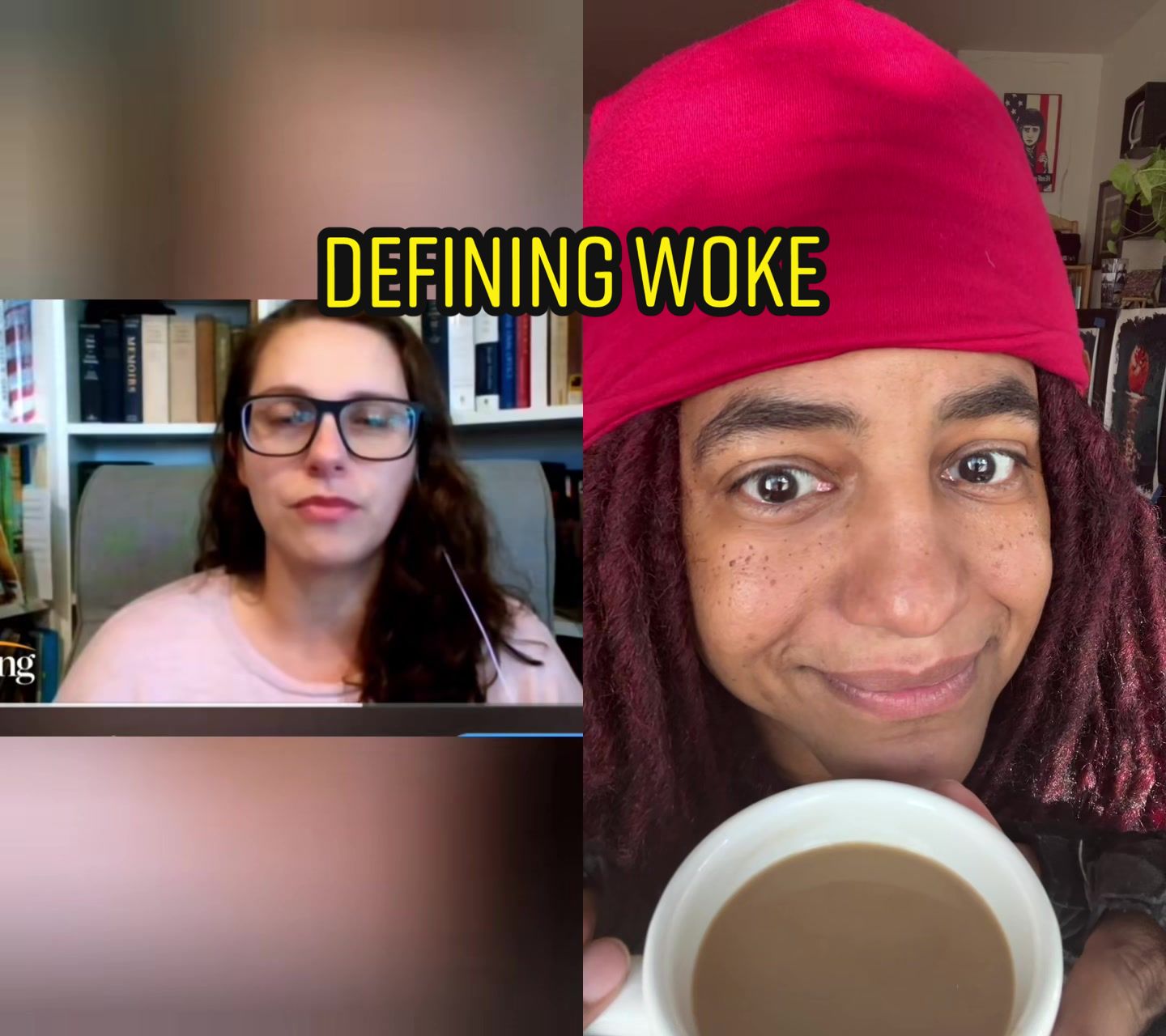
Agents of supremacy culture often employ the term “woke” as a convenient placeholder for any content or frameworks that challenge or resist the norms and ideologies they seek to perpetuate. By dismissing such concepts as merely “woke,” these individuals attempt to belittle and marginalize important discussions surrounding social justice, equity, and inclusion. This tactic serves as a way to undermine meaningful conversations about dismantling structures of oppression and maintaining the status quo. By reducing complex and critical ideas to a simplistic label, agents of supremacy culture aim to discourage engagement with progressive perspectives and maintain their grip on dominant power dynamics. However, it is important to recognize and confront this strategy, to continue promoting open dialogue and advancing the efforts to create a more just and equitable society.
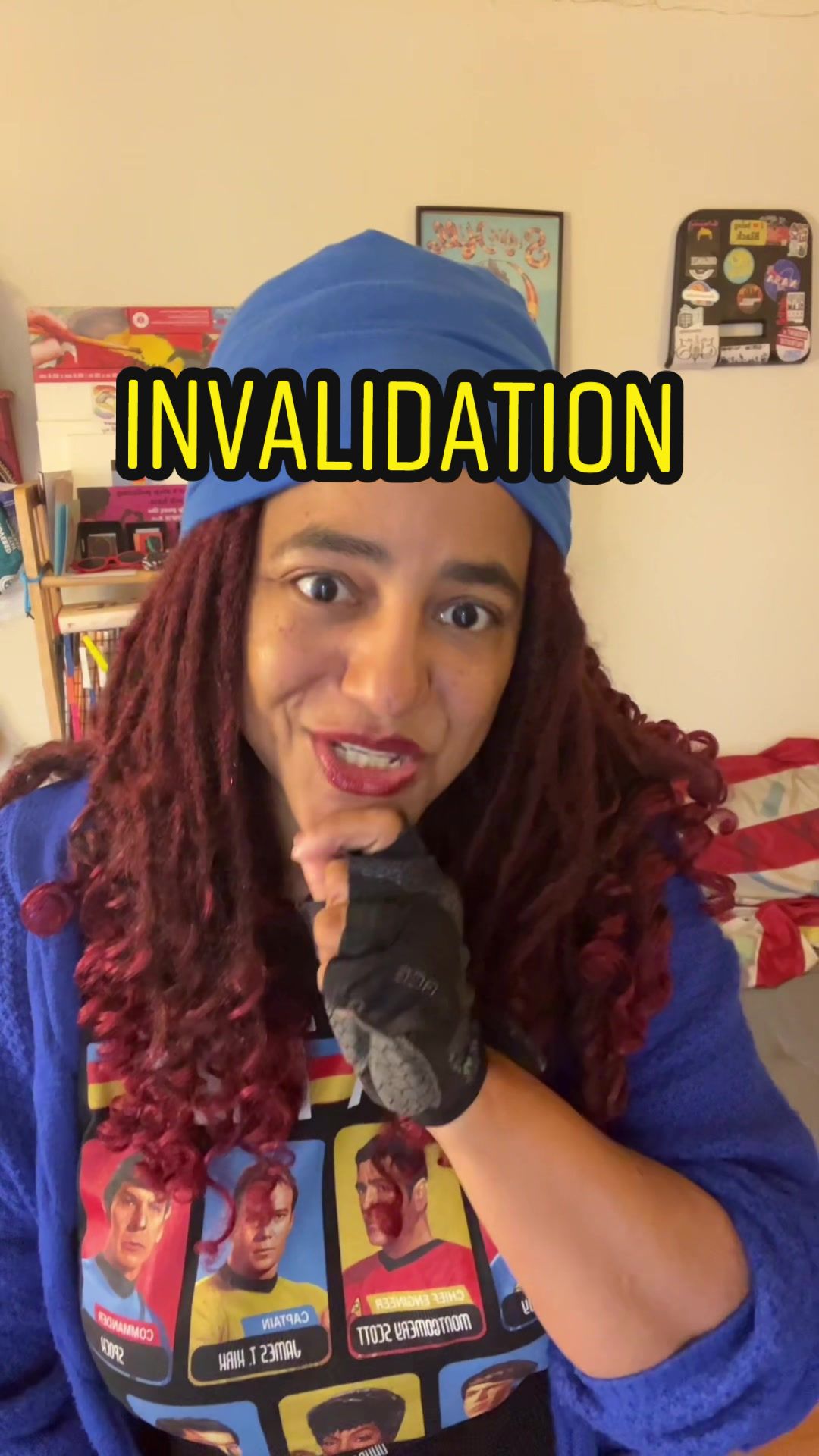
Supremacy culture cunningly wields the weapon of invalidation as a potent tool of social control, enabling its agents to maintain a facade of righteousness while perpetuating injustices. In their pursuit of a perceived moral high ground, adherents of supremacy culture systematically dismiss and discredit any data that shines an unflinching light on the wrongs they perpetrate. This calculated act of denial serves to safeguard their own self-image, shielding them from the uncomfortable truths that challenge their actions. A stark consequence of this insidious strategy is the wholesale rejection of the lived experiences of black women and other marginalized individuals who endure tangible harm as a result of supremacist ideologies. It is within this realm of invalidated experiences that the foundation for maintaining power is laid, emboldening right-wing proponents to champion policies that, shockingly, pave the way for the marginalization and harm of transgender individuals. Indeed, the very notion of policies tantamount to trans-genocide finds its roots in the deliberate invalidation of the voices and struggles of those most affected, underlining the chilling effectiveness of invalidation as a means of furthering the agenda of supremacy culture.