History of Pride
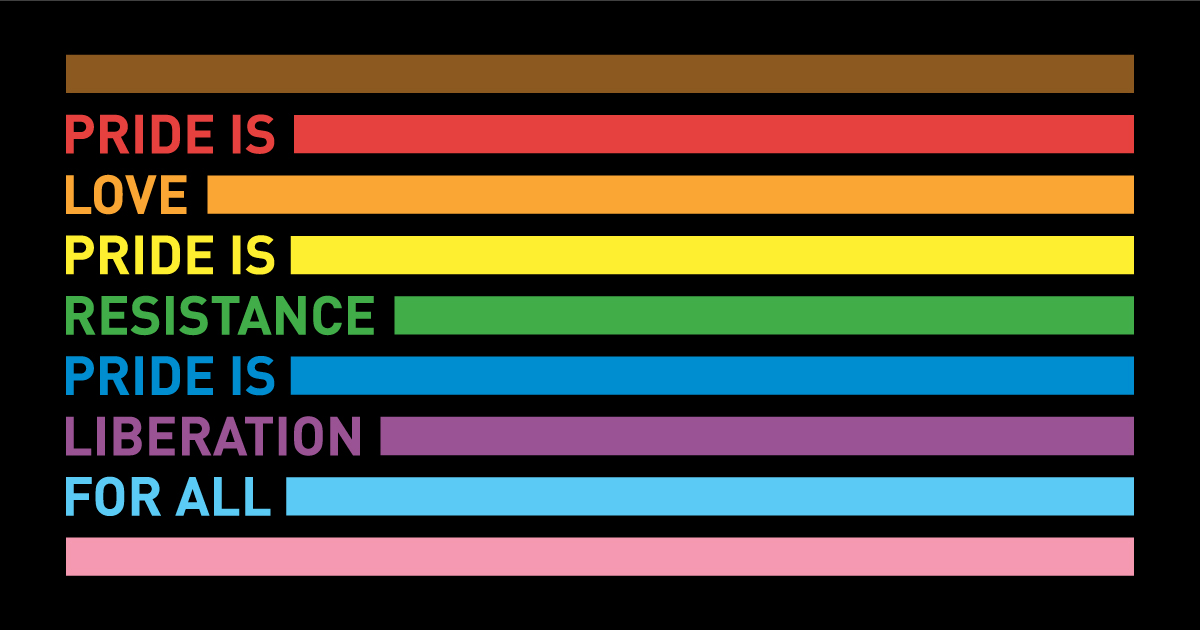
The history of LGBTQ+ pride, starting with Marsha P. Johnson and extending to the present day, is a testament to the ongoing struggle for equality, visibility, and acceptance for the LGBTQ+ community. Let’s continue the timeline:

The history of LGBTQ+ pride, starting with Marsha P. Johnson and extending to the present day, is a testament to the ongoing struggle for equality, visibility, and acceptance for the LGBTQ+ community. Let’s continue the timeline:

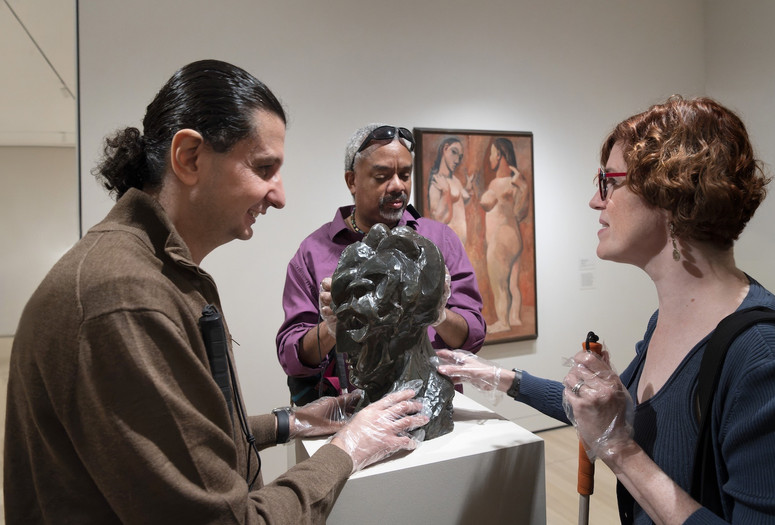
Tactile tours are a type of tour designed for individuals with visual impairments or blindness to experience and explore various places, such as museums, landmarks, theaters, or cultural sites. These tours focus on providing tactile and sensory experiences to engage participants and offer them a comprehensive understanding of the location.

As Shakespeare said, All the World’s a Stage and we are all players on that stage. In the metaphorical theater of life, we each take on roles, navigating through the stages set for us. As we interact with the world, we encounter various scripts – some are written and explicit, while others are unwritten and implicit. These scripts define societal norms, expectations, and structures that can either facilitate or hinder access for individuals from diverse backgrounds and abilities. Just as actors collaborate to devise a performance, society must come together to devise access.

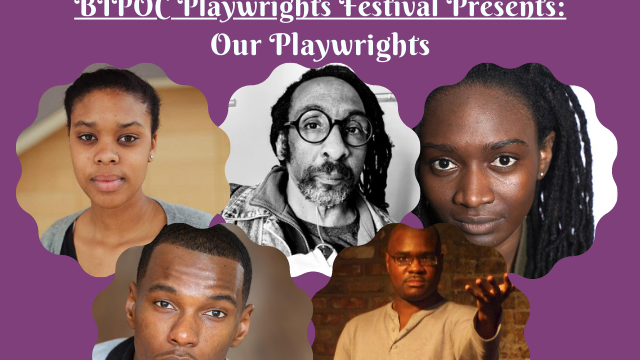
This resource of BIPOC Authored Plays and Musicals with Multi-Racial Casts was complied by B Herrera. It includes Plays, Plays by MENA and/or first-gen immigrant

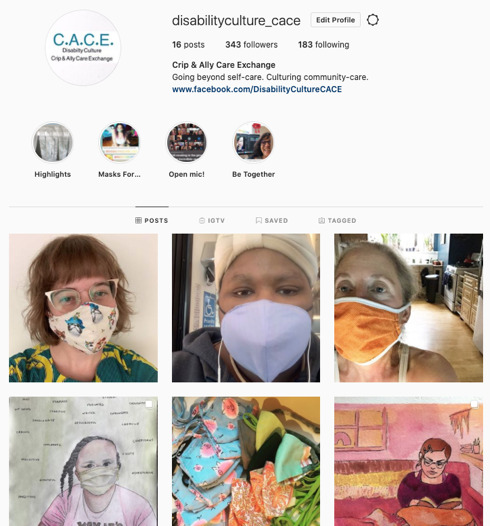
Masks for Crips was a mutual aid project that centered the Chicago disability community. Alison Kopit and Chun-shan (Sandie) Yi began the project at the onset of the COVID-19 pandemic, and it ran from March 2020 through July 2020.

Calling Up Justice uses Twine as the main platform for our videogame creations. We prefer to focus on tools that are free of charge. We have a separate article on twinery on this site. Below are a number of other tools and platforms that can be used to create text-based games.

As the facilitator, participants will look to you to create and hold a space that is conducive to conversation. Your main role is to help participants feel comfortable and motivated to participate.

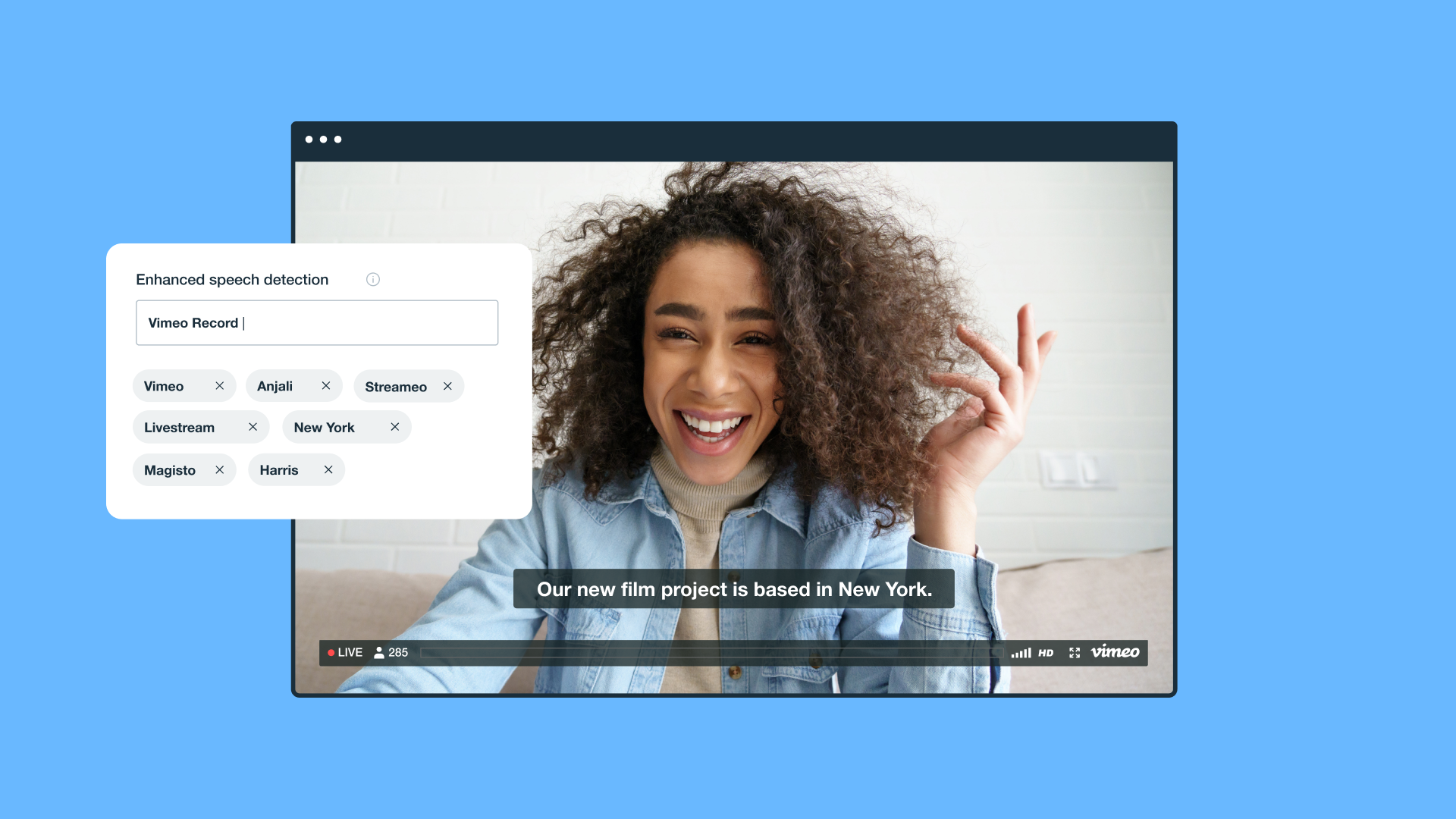
Calling Up Justice uses captioning in our digital spaces whenever we can. This provides an added layer of communication and accessibility not only for the
Calling Up Justice knows making theater accessible to artists and audiences with mobility disabilities is an important step towards creating an inclusive and diverse cultural space.

Calling Up Justice has explored different organizational shapes that will allow us to access funding. Many times a fiscal sponsor is a necessity for collectives and independent producers. We are currently working with the fiscal sponsor Intersection for the Arts