
How to plan an accessible arts exhibition
As part of our continued work with CripTech Incubator and Sites Unsettled we have been discussing access aesthetics as well as the producing needs of

As part of our continued work with CripTech Incubator and Sites Unsettled we have been discussing access aesthetics as well as the producing needs of

Overall, working from home has many benefits, especially during the pandemic when it can help reduce the spread of illness and protect public health. By providing increased flexibility, cost savings, and positive impacts on mental health and the environment, working from home can be a rewarding and fulfilling experience for many individuals.

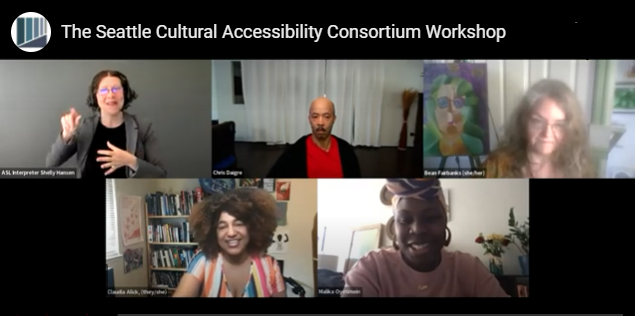
Hear firsthand about the needs and challenges faced by neurodivergent and disabled artists working in the Pacific Northwest. Learn from their varied experiences and discover ways we can all bring greater accessibility, inclusion and representation to our creative community at large. Moderated by Claudia Alick with panelists.

Visual description is a verbal description of visual elements in a piece of media, such as a movie, television show, or artwork, that is provided for the benefit of people who are blind or have low vision. The purpose of visual description is to allow people with visual impairments to understand and appreciate the visual aspects of the media, as they would not be able to see them otherwise.

Calling Up Justice is happy to support and promote the work of Tinu Abiyomi-Paul. Visit: https://www.everywhereaccessible.com/set-your-reminder-for-wednesdays-twitter-space/ This Wednesday, we’re meeting with The Disabled Community for

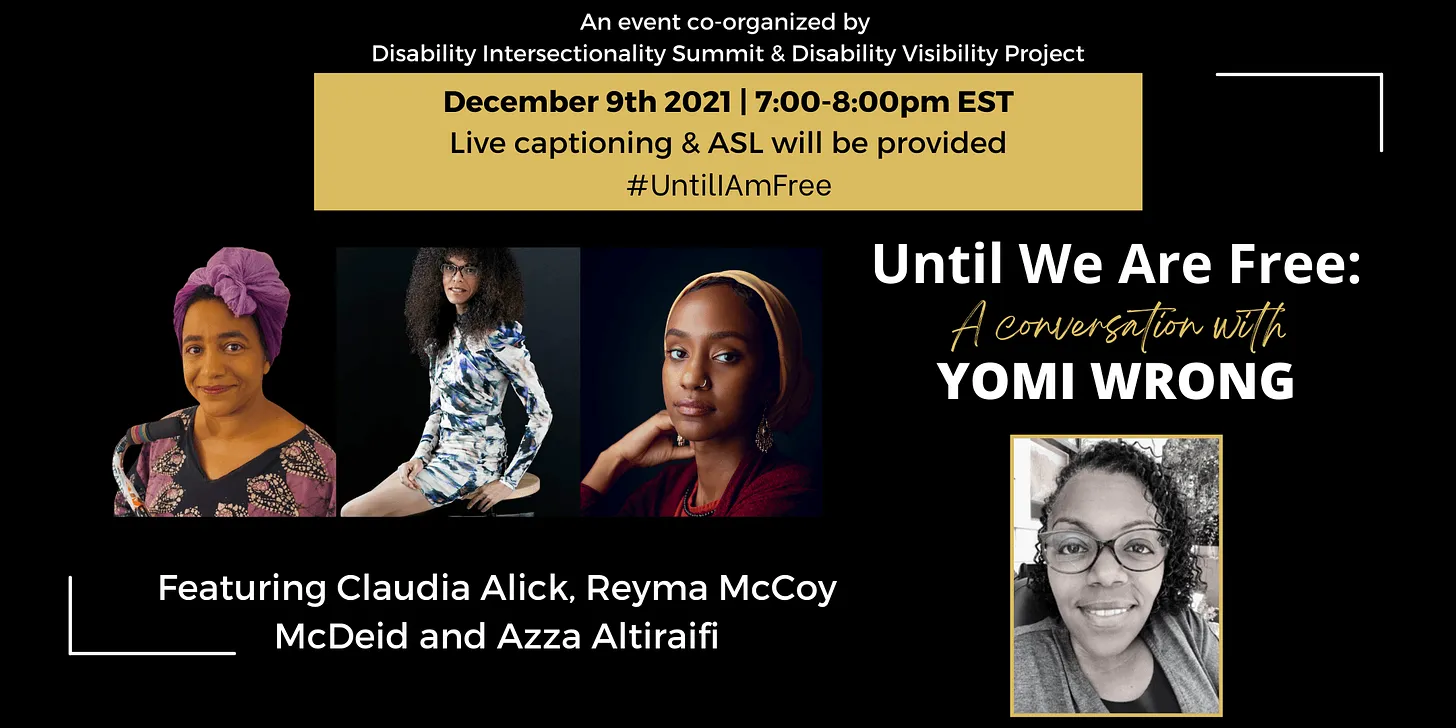
Fannie Lou Hamer is an icon to many and is best known for her activism during the Civil Rights movement, community organizing and rallying around women’s rights issues. What is traditionally left out of Hamer’s narrative is her disability identity and the intersections of her experiences as a Black disabled woman. The final conversation in a 3-part series on the life and work of Fannie Lou Hamer inspired by Dr. Keisha Blain’s new book, Until I Am Free: Fannie Lou Hamer’s Enduring Message to America, moderated by Yomi Wrong in conversation with Reyma McCoy McDeid, Azza Altiraifi, and Claudia Alick.

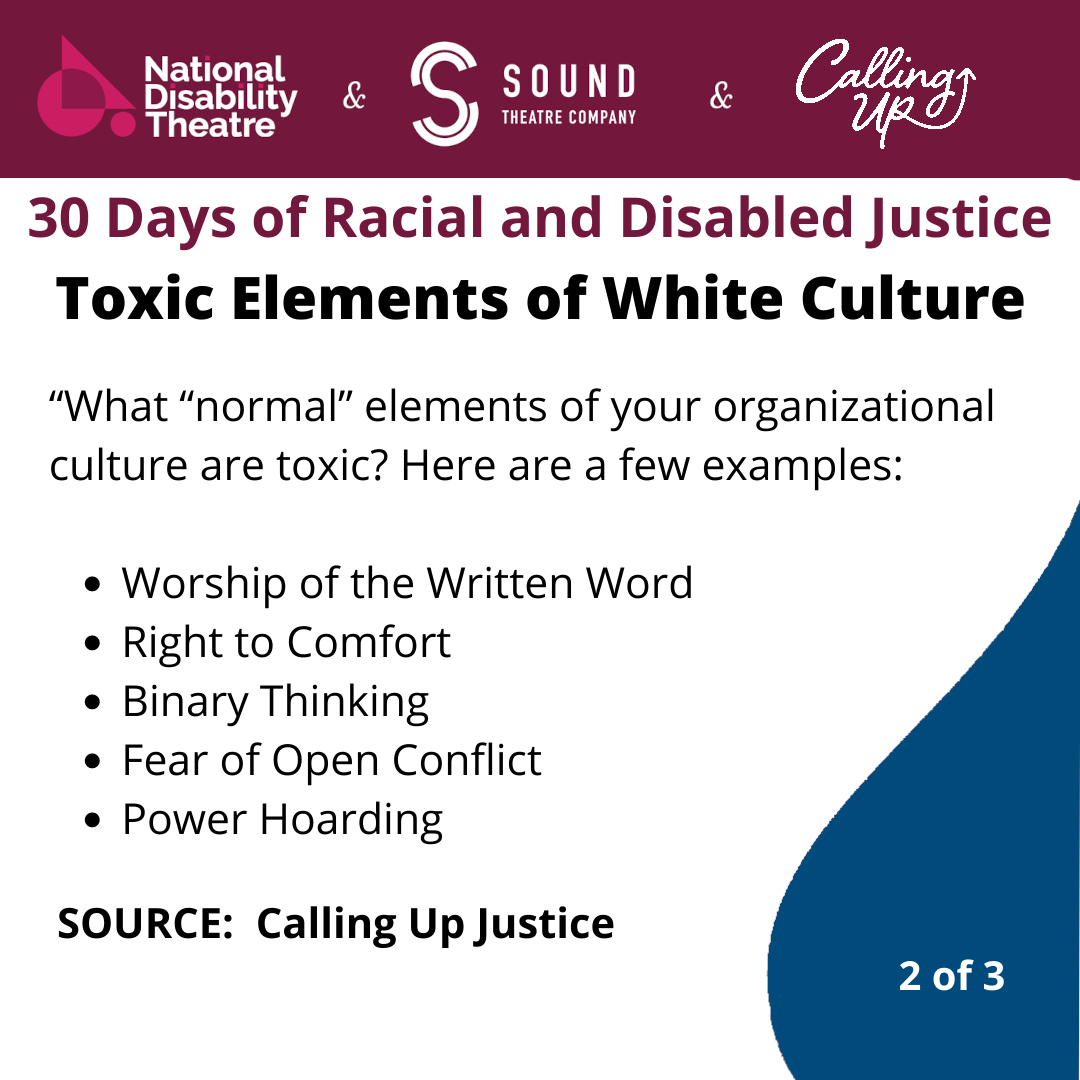
White-dominant culture operates as a social mechanism granting advantages to white people, because they can navigate society both by feeling normal and being viewed as

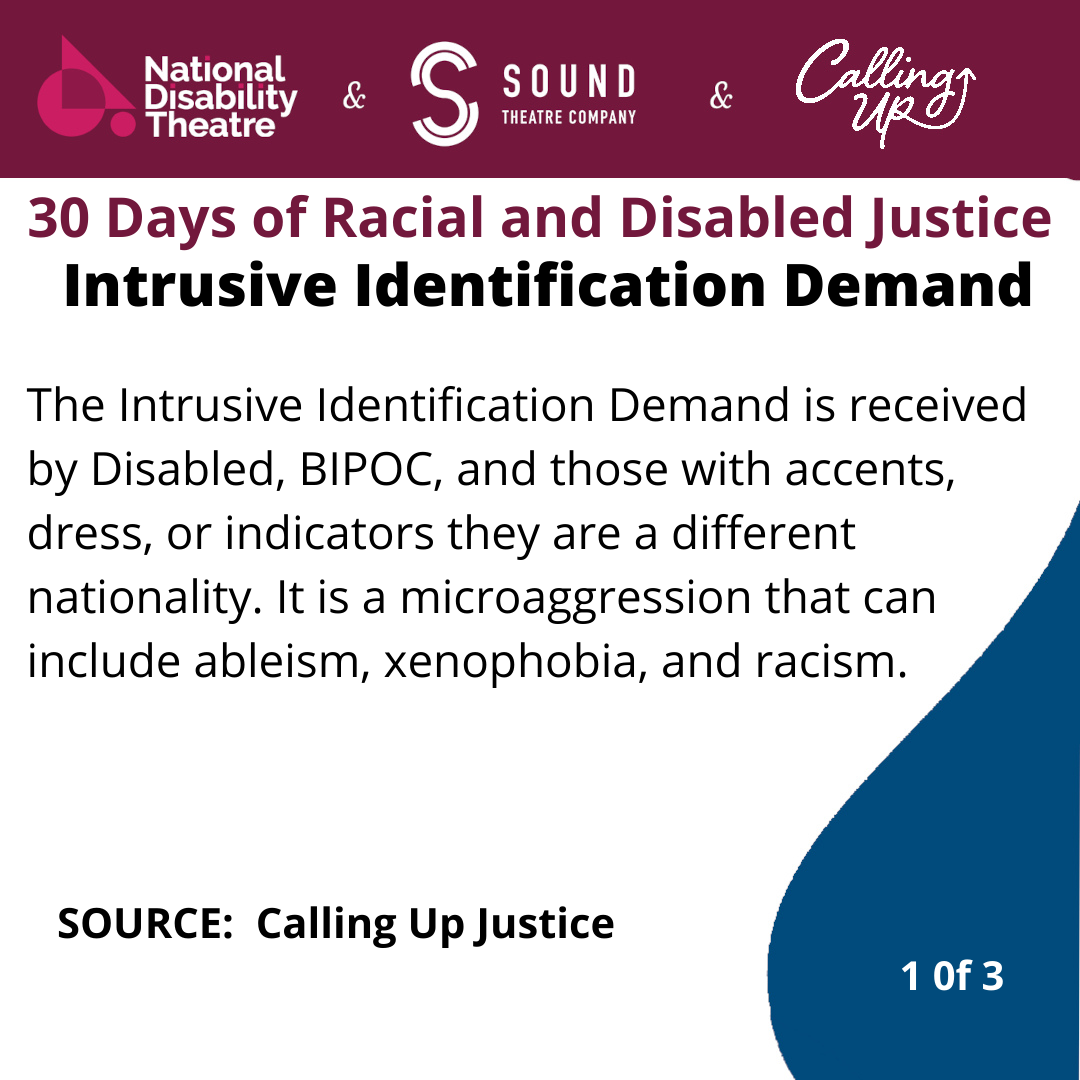
The Intrusive Identification Demand is received by Disabled, BIPOC, and those with accents, dress, or indicators they are a different nationality. It is a microaggression that can include ableism, xenophobia, and racism.

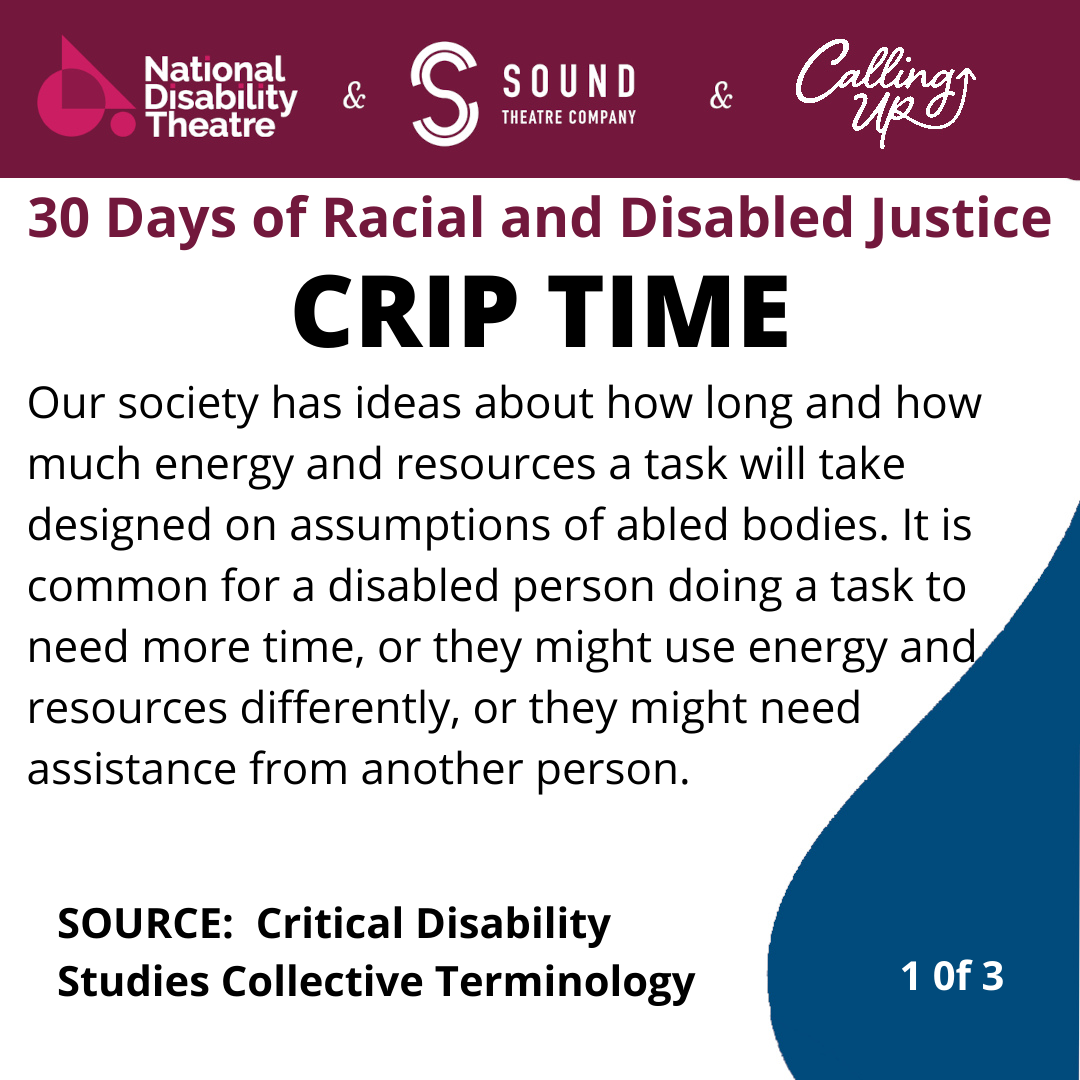
“One of the gifts of disability and moving on “crip time” — slowly — is that we notice things that people moving quickly typically miss. Another value is that more people are able to remain active for the long haul.”—Leah Lakshmi Piepzna-Samarasinha

RACIAL JUSTICE Racial justice is the systematic fair treatment of people of all races, resulting in equitable opportunities and outcomes for all. Racial justice —or