

Grief Is Part of Our Practice: A Calling Up Justice Reflection
As an anti-genocidal, Disability Justice–centered transmedia arts practice, we do not get to choose whether we encounter grief. It arrives every year, sometimes every month, woven through our work like an unwanted thread. We witness death from the slow violence of eugenics, the fast violence of state power, the quiet violence of isolation, and the institutional violence that makes disabled, queer, Black, brown, migrant, and poor lives precarious. We mourn the loss of beloved collaborators, culture bearers, access doulas, artists, and kin. But beneath that, we grieve something even larger: the delay of the liberated future we are building. Every death is both a heartbreak and a disruption in the timeline of collective freedom.
Grief is not separate from our work—it is part of the work. And if we are going to survive, if our people are going to thrive, we must build grief resiliency into the practice itself. Not the false resiliency demanded by supremacy culture, but the kind rooted in relationship, interdependence, ritual, and collective care.
We need to evolve our structures so that death is not treated as an interruption to productivity, but a moment that triggers our humanity. We must create rhythms of remembrance—digital altars, zines, ceremonies, grief circles, naming rituals—so that our people do not carry grief alone. We have to normalize the idea that timelines shift, output softens, and roles redistribute after a loss. We must make space for silence, for numbness, for rage, for heartbreak, for flat affect and full collapse. All of these are valid. All of these deserve containers.
We must build grief protocols that protect us from the emotional extraction capitalism expects. We need check-ins, debrief spaces, soft meetings, care buddy systems, and explicit permission to rest. We must hold one another gently through the waves so we can return—not hardened, but intact.
We must also develop a shared literacy: an acknowledgment that grief is not a personal failing, but a collective condition under genocide, pandemic abandonment, ableism, and systemic neglect. Our practice is anti-genocidal because it insists on remembering every life, resisting every erasure, and building futures where disabled and marginalized people are not disposable. To do that, we must tend to the grief that comes with the work of tending to each other.
Grief is not a detour from justice. It is evidence of our connection. It is the cost of loving a community that is continually targeted. It is also a portal. When we create art, ritual, zines, livestreams, digital spaces, protests, and gatherings in the midst of loss, we rehearse the liberated world our people deserved to see. We refuse the narrative that grief ends the work; instead, we fold it into our creative process as fuel, memory, and commitment.
As Calling Up Justice, our work has always been about building systems of care, culture, and collective power. Now we must extend that toward grief with the same intention. We will keep making the future, even when it breaks our hearts. We will hold each other through the sorrow and still craft beauty, connection, and resistance. Because every ancestor we lose is another reminder of why we fight: the liberated future is overdue, and we carry their work forward.
https://www.kalw.org/2025-11-20/remembering-alice-wong

https://disabilityvisibilityproject.com/2020/05/19/loving-stacey-milbern-a-rememberance
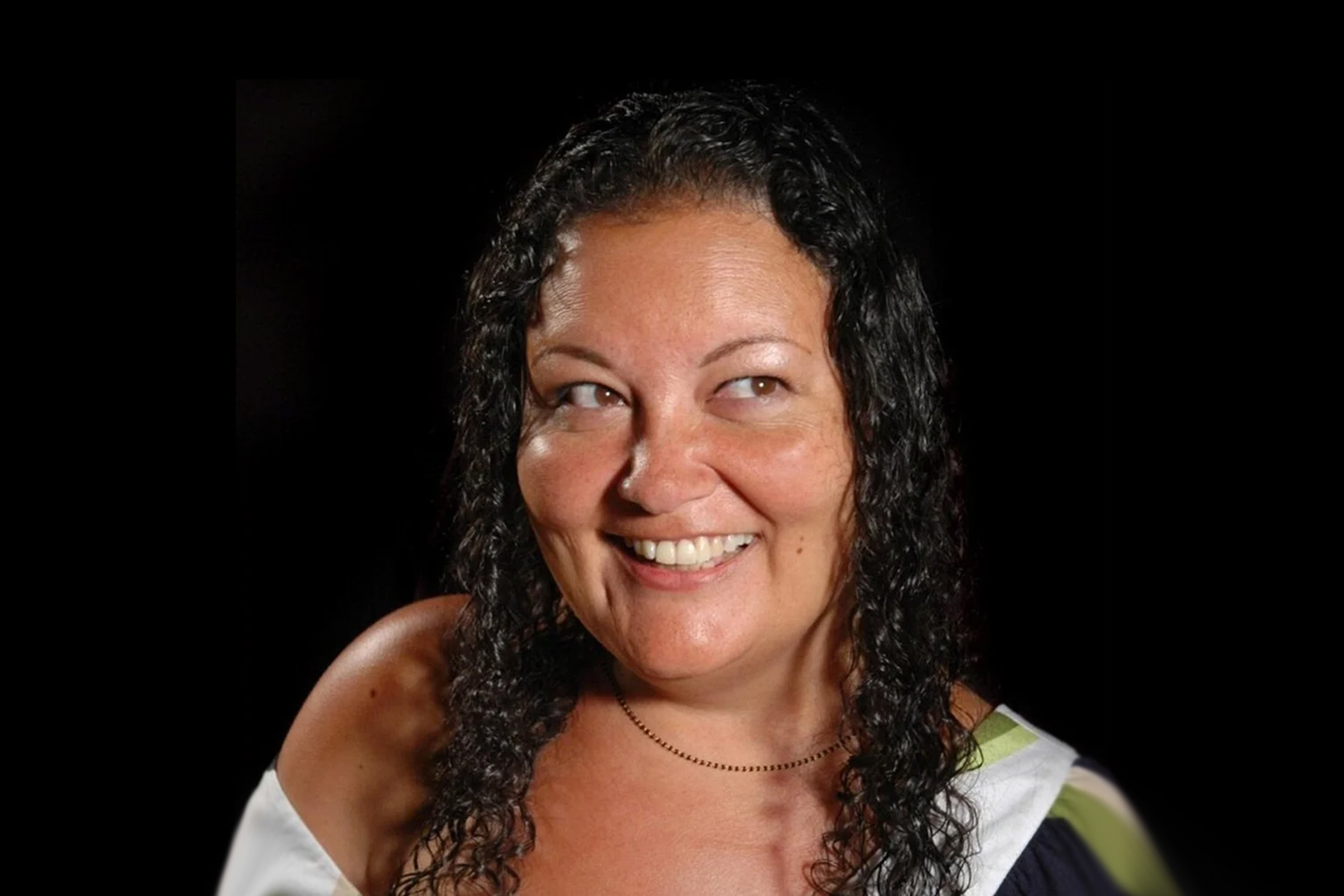
https://19thnews.org/2025/08/patty-berne-obituary-disability-justice-movement