
Crip Negativity
Calling Up Justice recommends texts for liberation and empowerment. These texts are recommended by Calling Up Justice participants in our online spaces. The following text was recommended during a session of Dis/Rep 2023.

Calling Up Justice recommends texts for liberation and empowerment. These texts are recommended by Calling Up Justice participants in our online spaces. The following text was recommended during a session of Dis/Rep 2023.

This is a mutual aid call from practice member Ry Holiday. They are working with a friend to raise funds for a wheelchair for someone in Honduras. We discussed this project in our Open Development meeting and helped RY choose design and text. Give directly to https://www.paypal.com/paypalme/robbyh22 or Venmo: @robbyh23
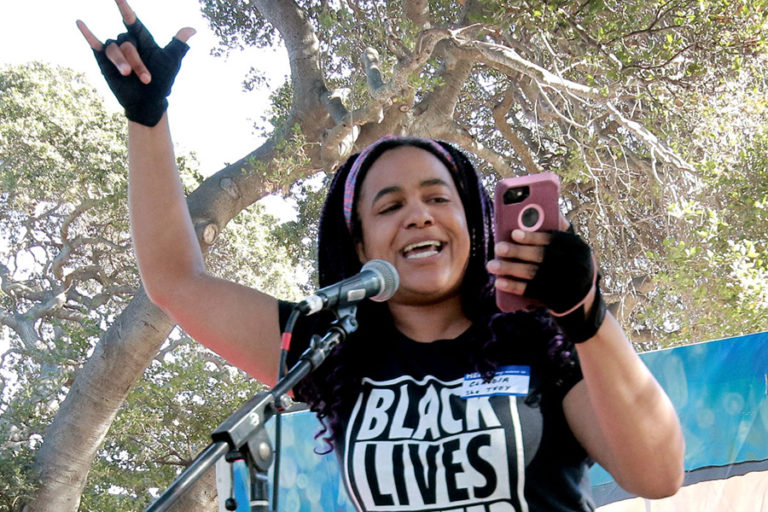

For theater makers and social justice workers, starting meetings with a grounding or embodiment exercise can be a great way to connect a group and foster a sense of community. Breathing exercises, in particular, can be a powerful tool to promote relaxation, reduce stress, and increase focus. However, it’s important to recognize that not everyone can participate in these exercises in the same way. Some individuals may have difficulty with deep breathing, whether due to respiratory conditions or other physical limitations. For these individuals, it’s important to provide alternative ways to participate in group grounding exercises.
Barter Up and One Free Community (OFC) join forces to challenge capitalism’s impact on community support, fostering innovative spaces for meaningful exchanges and mutual aid. Driven by frustration with consumerism, Barter Up created events where goods and services are traded through donations or a “pay what you can” model. Collaborating with OFC, they exemplify the power of united communities, exchanging insights and inspiring positive change while magnifying the impact of mutual aid groups for social justice.

Crip Create Coworking Space is not only an excellent platform for promoting body doubling among Disabled individuals but also a co-working space that is run by Disabled folks with disabled justice values. This weekly online co-working space is specifically designed for and by all Deaf and Disabled people, making it a Disability Justice-centered co-working space for everyone with disabilities.

The COVID-19 pandemic has affected every aspect of our lives, from the way we work to the way we socialize. One issue that has emerged during this time is the idea of a “COVID cautious tax.” This term is related to the concept of a “disability tax,” where disabled people pay more for basic services because they have to add accessibility measures. In the same way, those who continue to be hypervigilant about COVID-19 take on a greater burden for society.
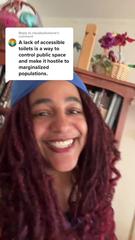
The absence of accessible toilets is a subtle yet potent tool of social control that restricts the inclusion of disabled individuals and mirrors historical tactics used to marginalize certain groups. Similar to how women were once kept from certain spaces by denying them restroom access, the lack of accessible toilets limits the participation of disabled individuals in public life, enforcing inequality. Furthermore, this issue extends to homeless individuals who lack restroom facilities, deepening their invisibility and perpetuating their hardships. Ultimately, the dearth of accessible toilets undermines societal inclusivity and hinders the potential contributions of diverse individuals, emphasizing the significance of universal accessibility for a fair and compassionate society.
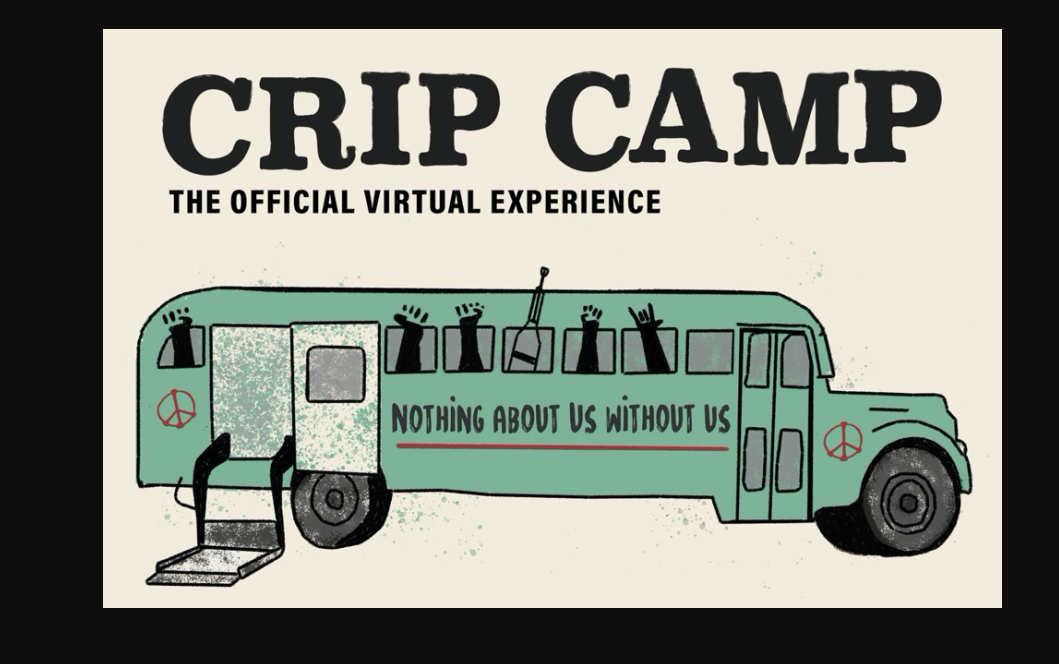
Calling Up Justice uses the term “crip” as a reclaiming and liberating terminology. We also recognize the different feeling and relationships people have with this terminology. It is utilized in different ways depending on context and community. We created this resource for greater group understanding.

Claudia Alick, a guest lecturer in Dr. Maya Dworsky-Rocha’s “Medicine, Body and Culture” class at Brandeis University on March 2, 2023, delivered a lecture on “Heroes and Villains and Disability Futures.” The lecture focused on Alick’s ideas on disability justice and cross movement solidarity. The topics covered included disabled rights vs. disabled justice, cross disability solidarity, ugly laws, how we identify as members of the disability community, crip theory, ableism, access intimacy, and disabled heroes and villains in fiction.