

Four chapters into Remake Intergrade, after almost thirty years of Final Fantasy-by Maiamama
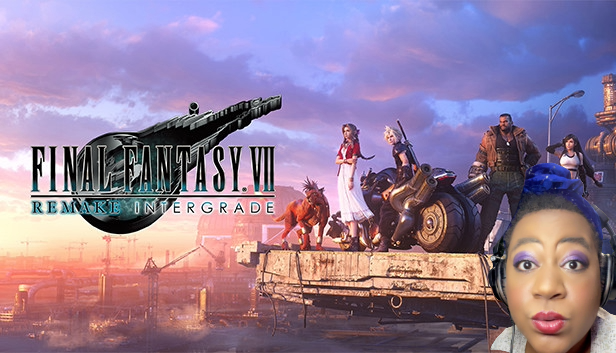
I’ve played Final Fantasy since I got a PS1 and started with 8. Every mainline entry since, minus the MMOs, is a game I’ve played. FF7 is the one I skipped, and not by accident. The graphics were the original sticking point, and once I’d let that gap sit for a while, I decided to let it sit longer on purpose: I’d wait for the Remake project actually to finish before I touched any of it, so I could go in mostly clean instead of playing a fandom’s most iconic story with the ending already spoiled by osmosis. The only FF7 I knew going in came sideways, through Kingdom Hearts, which is to say I knew Cloud has a big sword and some kind of unresolved feelings, and not much else.
So I’m four chapters into Remake Intergrade now, both games out, playing the story fresh for the first time, and what’s caught me off guard isn’t the plot. It’s how little the game hedges.
Shinra Doesn’t Get the Benefit of the Doubt
There’s no slow build where the game asks you to consider Shinra’s side before letting you dislike them. Shinra Electric Power Company isn’t just a business here; it’s the government: it runs the police, the military, the press, and the power supply, all through Mako Reactors that burn the planet’s life force for electricity. Chapter 1 opens with a mission to blow up one of those reactors. By the time it’s over, you already understand exactly why: the company is draining the planet to power a city built as a literal hierarchy, wealth on the plate, everyone else underneath it. The game trusts that premise enough to just run with it. Coming in as someone who’s watched a lot of fiction spend an hour convincing you a company town isn’t so bad, I found that trust kind of thrilling. Shinra is bad because Shinra is bad. The story doesn’t need me to be talked into it.
Sector 7 Feels Like a Place I’ve Been
Chapter 3 is where the game won me over completely. It would’ve been easy to make the slums a mood, all grime and sad lighting, existing to justify the plot. Instead, Sector 7 gets market stalls and kids and people who clearly had routines before Cloud showed up and will have them after he leaves. That’s the anti-corporate argument doing its best work without a single speech. You don’t need to be told the class divide is unjust. You’ve already spent an afternoon in the neighborhood on the wrong side of it, and it felt like a real neighborhood the whole time.
A Planet You Don’t Have to Take on Faith
The environmentalism lands the same way for me. Mako being the planet’s literal, living force means the harm isn’t background lore; it’s a wound you can see: the plate blocking out the sun over Sector 7, a city running on stolen life and lit sickly green because of it, the people responsible living quite literally above the damage. I know enough now, decades into loving this series, to expect Final Fantasy to take its worldbuilding seriously. What I didn’t expect was how much that worldbuilding would double as an actual argument, one I didn’t need any outside context to feel.
Where I Land at Chapter 4
Waiting this long turned out to be the right call for me. I got to walk into the most talked-about entry in a series I’ve loved for thirty years without already knowing where it goes, and four chapters in, what’s sticking with me most isn’t a twist, it’s how confidently the game commits to its own politics. I’m looking forward to seeing how much further that commitment goes.
If you want to see this playthrough as it happens, I stream it on YouTube youtube.com/@ClaudiaAlickCallingUpJustice and Twitch twitch.tv/callingupjustice.